
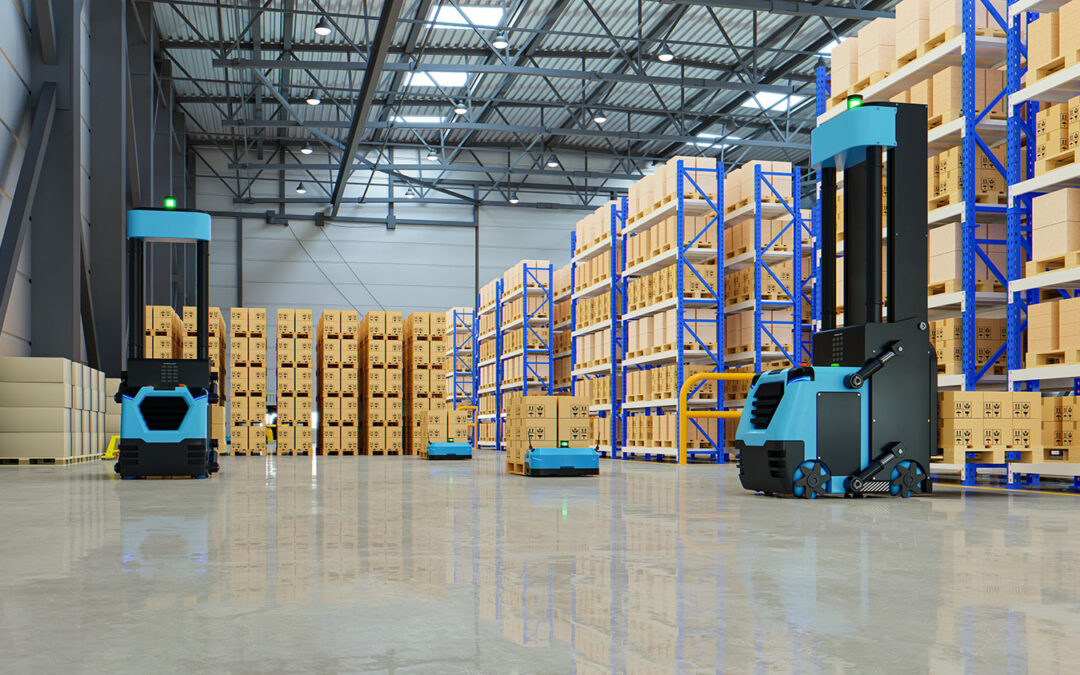
In its implementation, logistics activities are divided into several stages, from planning to maintenance. What are these stages? Let’s see the detailed review below!
Planning stage
Almost like all other business activities, logistics cannot be separated from the planning stage. At this stage, there is analysis, research, and calculation of the logistics activities that will be carried out.
Usually, in logistics, planning refers to the process of determining the goods to be sold and adjusting them to the needs of consumers.
Organizing stage
Generally, in the implementation of logistics activities, there are staff involved. Now, the division of tasks to parties deemed to have the capability to complete related tasks is called organizing.
More specifically, at this stage there is a determination of who will be responsible for the arrangement, storage, and delivery of goods.
Supervision stage
The delivery of resources or goods certainly needs to be monitored so that it definitely reaches its destination. In the logistics process, supervision is carried out by checking and tracking goods from start to destination.
Procurement stage
Through the procurement stage, the company tries to ensure the availability of stock of goods. If the required stock is not sufficient, of course it is necessary to follow up to ensure the amount of stock is on demand.
Recording stage
From the time the goods are available until the goods are sent to the consumer, everything must be recorded. Therefore, in logistics activities there will always be a stage of recording logistics data.
By recording, you can not only ensure that all the resources sent are in accordance with consumer needs, but you can document company assets.
Storage stage
Each item will most likely be stored in the logistics warehouse. The storage stage is the stage of logistics warehouse management.
So, in it there is a process of receiving, recording, importing, storing, arranging, accounting, maintaining, and distributing goods.
Maintenance stage
Keep in mind, goods or resources sent to consumers must not only be in the right quantity and time, but also must be in good condition.
Therefore, there is a maintenance stage in logistics activities aimed at maintaining the condition of the goods so that they are ready for use. Goods in the warehouse will always need a maintenance process. So, this process is not a one-time process, but is carried out in the long term.